

Begin a Mindfulness Practice
Mindfulness invites you to reconnect with your body’s innate
capacity for healing. Through gentle, evidence-based practices,
you can release tension, increase resilience, and cultivate a
deeper sense of inner balance.
Six Examples of Mindfulness

-
Breathe in through your nose to a count of 4, hold for 1 second and then exhale through the mouth to a count of 5. Focus all your attention on your breathing. Concentrate on feeling and listening as you inhale and exhale through your nostrils. Breathe deeply and slowly. When your attention wanders, gently return your focus to your breathing.

-
As you walk, pay attention to your breath and the sights and sounds around you. When you use this method, slow down your walking pace so that you can focus on each movement of your legs or feet. Don't focus on a particular destination. Concentrate on your legs and feet, repeating action words in your mind such as "lifting," "moving" and "placing" as you lift each foot, move your leg forward and place your foot on the ground. If thoughts and worries enter your mind, note them but then return to the present.

-
Be aware of taste, textures, and flavors in each bite. Listen to when your body is hungry and full.

-
Bring your attention to how each part of your body is feeling. This can help you connect with your body. When using this technique, focus attention on different parts of your body. Become aware of your body's various sensations, whether that's pain, tension, warmth or relaxation. Imagine breathing heat or relaxation into and out of different parts of your body.
Phrases like: “My hands are heavy and warm, I am at peace” can reinforce the meditation as you scan your body breathing warmth and relaxation into your different body parts. Gently tightening and loosening each body part, telling each part of your body that it is time to relax.
-
In addition to Mind Body Healing Arts’ individual and skills group services, look for: online programs/meditation apps, yoga/qigong classes, and teacher-guided practices. And remember, you can also sign up for an individual session with Jason to receive individualized qigong and meditation coaching.
-
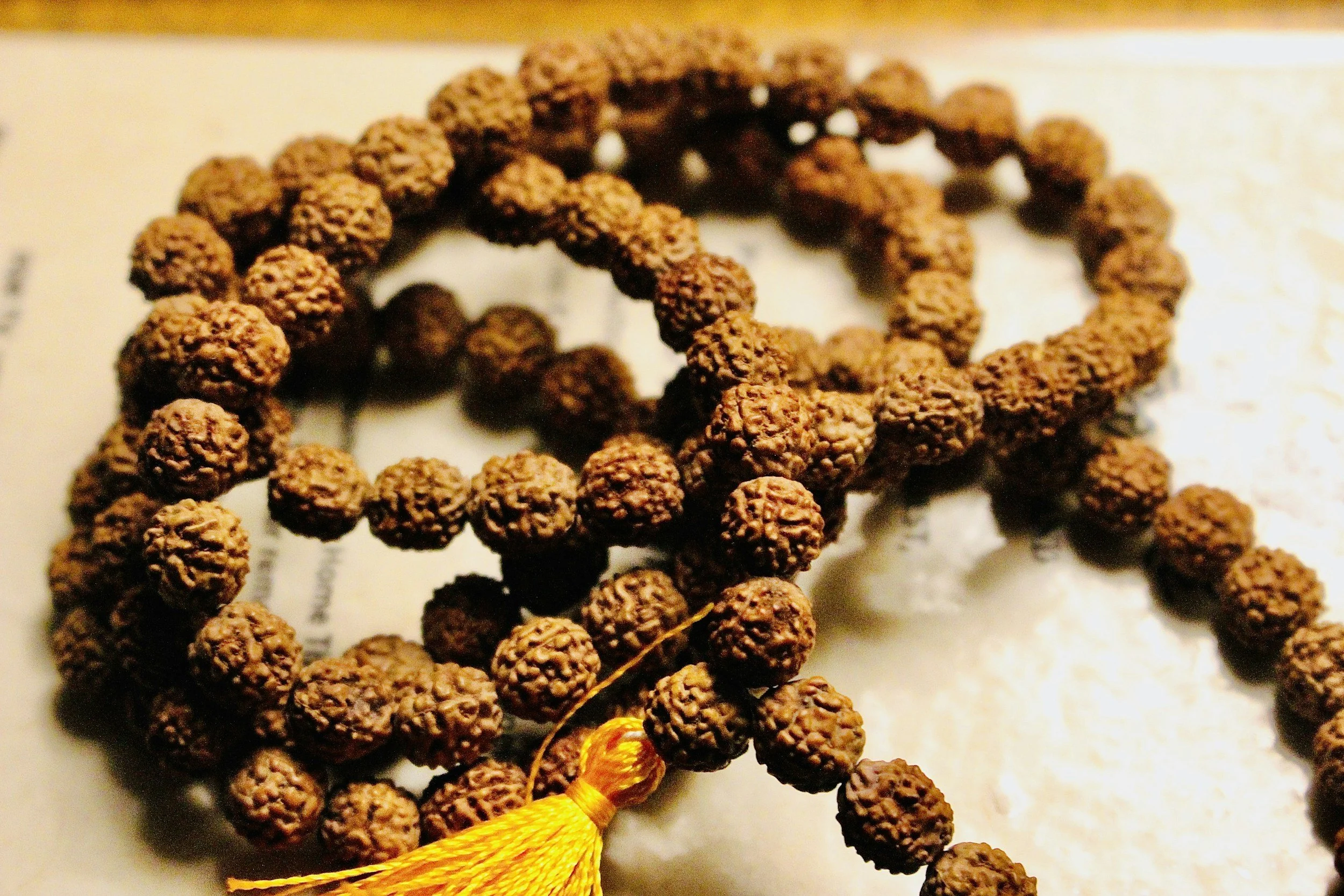
You can create your own mantra, like an inspirational phrase, whether it's religious or secular. Examples of a secular mantra would be “Now is the time for sleep. I am safe and at peace.” Religious mantras could include the traditional Jewish prayer, Modeh Ani (“You have restored my soul within me”), repetition of any of the many mantras within of Hinduism, Buddhism and other Eastern religions, the Jesus Prayer in the Christian tradition, or “Allahu Akbar" (God is the Greatest) in the Muslim tradition.
Find a comfortable and quiet space. Sit or lie down in a relaxed position.
Settle your breathing. Before introducing the mantra, take a few moments to observe your natural breath without trying to change it. This helps your mind and body settle.
Synchronize the words of your chosen phrase with the rhythm of your inhalation and exhalation. This technique helps focus the mind and link your breath to a specific positive intention or feeling.